

Shoulder instability
Neuromuscular coordination, dynamic rotator cuff co-contraction, and closed-chain scapular stabilization to prevent subluxations, dislocations, and multidirectional laxity.


Clinical Approach to Shoulder instability
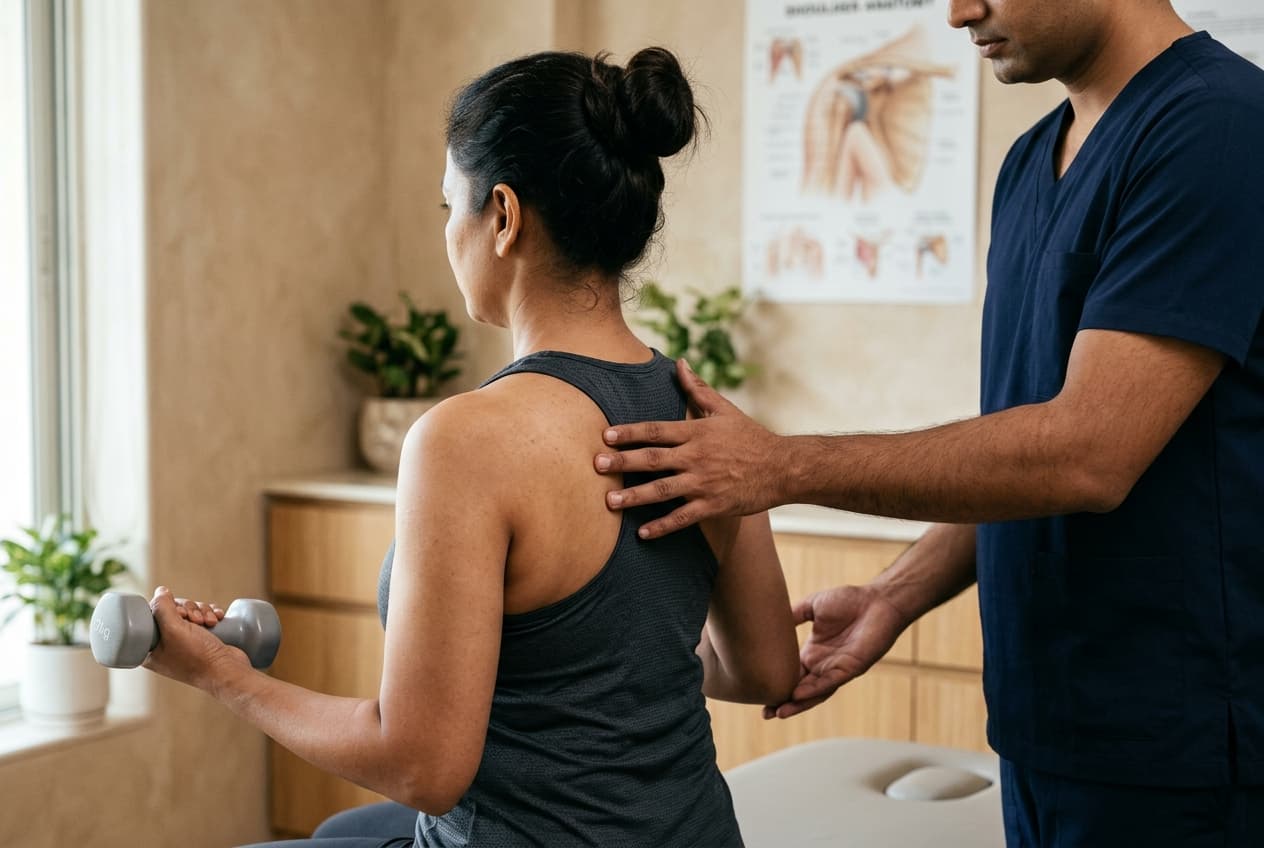
Manual rhythmic perturbation and dynamic rotator cuff stabilization training for shoulder instability at Zen Physio Nashik.
Common Symptoms
- Apprehension or sensation of the shoulder 'slipping out' or 'giving way' during throwing or overhead reaching.
- History of anterior or posterior shoulder dislocations, subluxations, or labral Bankart tears.
- Vague, deep shoulder aching and persistent fatigue in the shoulder girdle muscles.
- Clicking, clunking, or loose sensations when carrying heavy groceries or weights.
Biomechanical Causes
Glenohumeral instability occurs when the static stabilizers (glenoid labrum and capsuloligamentous complex) become torn or hyper-lax following traumatic dislocation, repeated subluxations, or congenital hypermobility. Rehabilitation focuses on training the dynamic stabilizers—the rotator cuff and periscapular muscles—to compensate through rapid neuromuscular co-contraction.
What to Expect:
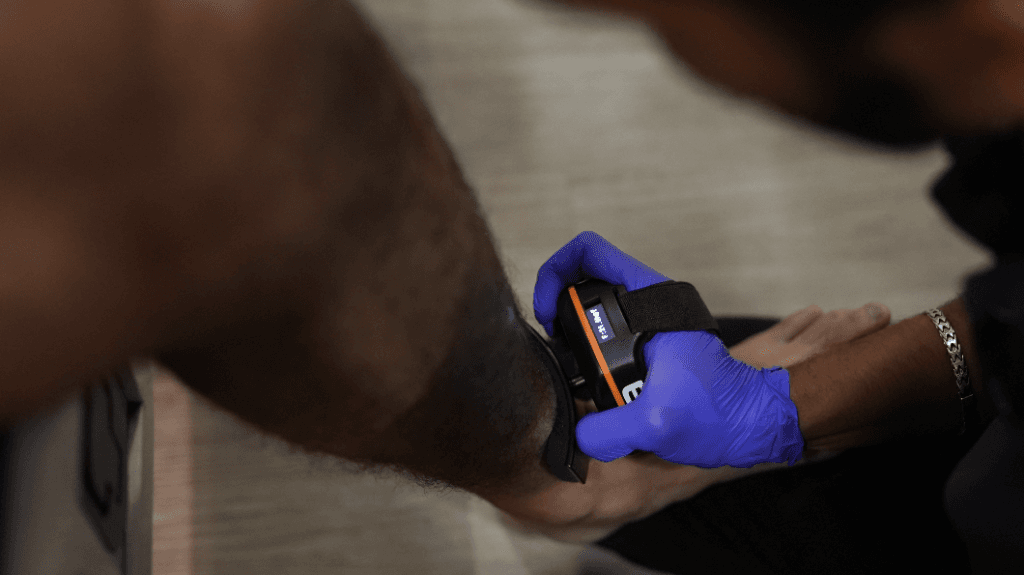
Thorough assessment of shoulder laxity, proprioception, and scapular mechanics. Rehabilitation integrates Kinesio Taping Joint Stabilization with Digital Dynamometry Muscle Testing and rotator cuff closed-chain stability drills.
Treatment Benefits & Objectives:
- Eliminates fear of dislocation and restores athletic overhead confidence.
- Rebuilds reflex neuromuscular co-contraction to dynamically center the humeral head.
- Strengthens serratus anterior and lower trapezius to stabilize the scapular base.
- Significantly reduces the risk of recurrent shoulder dislocations and surgical need.
Recovery Path Milestones
Protection & Safe Range Isometrics
Sub-maximal isometric rotator cuff firing and closed-chain quadruped weight-bearing.
Rhythmic Stabilization & Perturbations
Manual perturbation taps, reactive catches, and dynamic stabilizer blade drills.
End-Range Dynamic Strengthening
90/90 external rotations, resistance tubing drills, and plyometric ball chest passes.
Sport & Contact Clearance
Overhead throwing mechanics, tackle/impact drills, and validated functional testing.
Frequently Asked Questions
Ready to Resolve Shoulder instability?
Book a personalized 1-on-1 diagnostic evaluation and treatment plan for Shoulder instability today.